

Botanists identify 33 global ‘dark spots’ with thousands of unknown plants
A groundbreaking study reveals untapped regions that may host thousands of undiscovered plant species facing extinction.
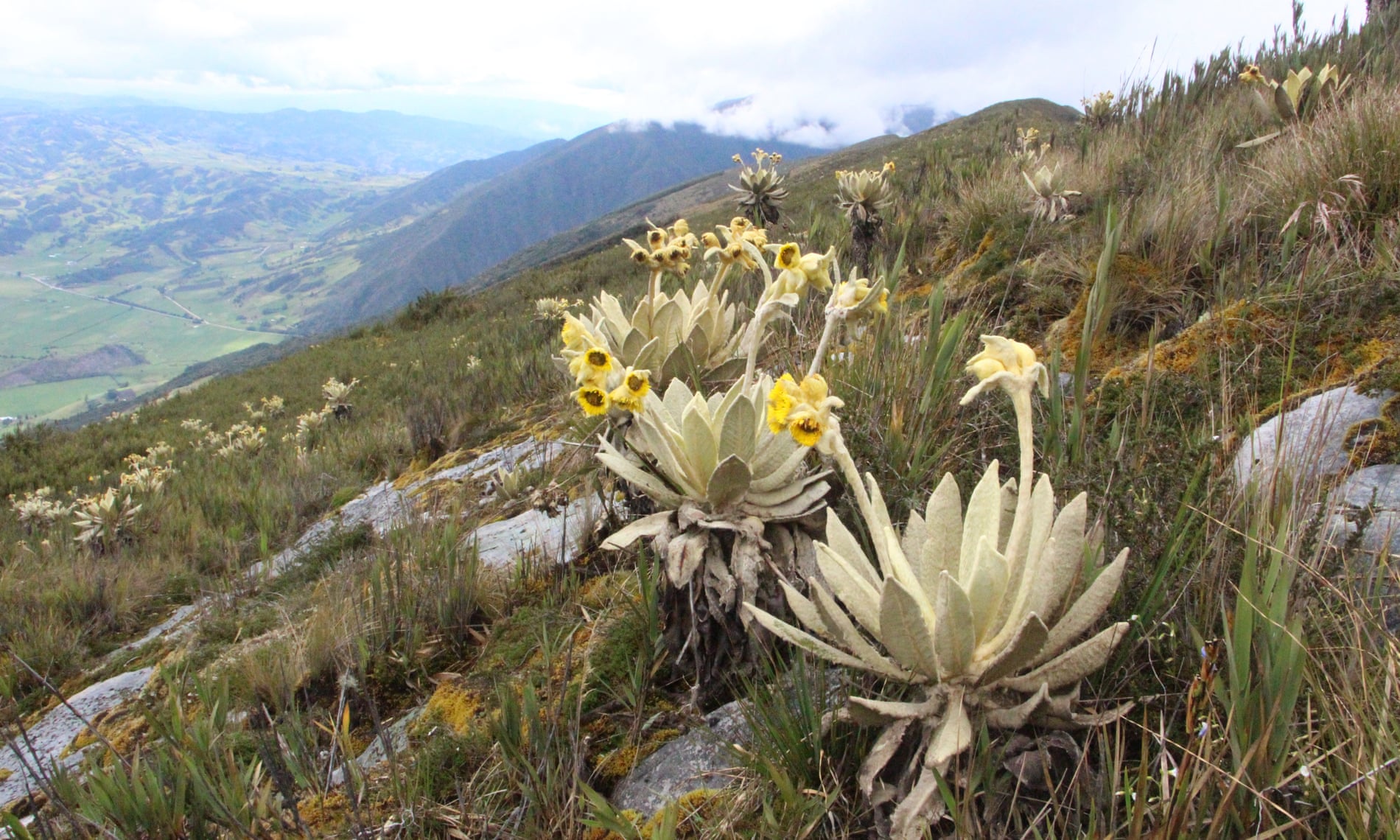
Global Botanists Identify 33 Dark Spots Rich in Unknown Flora
).png)
F. Schubert
A humanist first, passionate about human interactions, AI, Space, Human Life and a DJ. 20 year experienced in Team Management in BBAS3 and also founder of Estudio1514.com. São Paulo, Brazil based.


Resumo
In an extraordinary study conducted by Kew's Royal Botanic Gardens, botanists have pinpointed 33 regions worldwide that are believed to harbor extensive numbers of undiscovered plant species, many of which face imminent threats of extinction. Specifically, the research estimates that over 100,000 plant species remain unidentified, signifying a profound gap in our understanding of global biodiversity.
Understanding Biodiversity Dark Spots
The term "dark spots" refers to geographic areas where scientists suspect a high concentration of undiscovered flora exists. These regions stretch across diverse ecosystems—from the dense jungles of Madagascar to the mountainous terrains of Bolivia. This new project aims to direct scientific attention towards these dark spots following findings published in the journal New Phytologist. The key takeaway from prior analysis suggests that approximately three-quarters of all undescribed plant species may be at risk of vanishing before they can even be cataloged.

The Importance of Discovering Unknown Species
Uncategorized plant species could prove to be invaluable in various fields, including medicine and sustainable energy. For instance, undiscovered plants may hold the potential for groundbreaking drug developments or alternatives to fossil fuels. Prof. Alexandre Antonelli, the director of science at Kew and one of the principal authors of this substantial paper, emphasized the urgency of this research. He highlighted that without effective identification methods, numerous species are likely to become extinct long before they can contribute to scientific knowledge.
"We are protecting 30% of the planet by this decade under current UN targets—but we don't know which areas to protect unless we have the right information," said Antonelli.
Areas Needing Immediate Attention
The study identified a significant number of locations requiring exhaustive plant research efforts. Most of these spots are located in Asia, with 22 regions tagged for further exploration. Key areas include:
Sumatra, Indonesia
Eastern Himalayas
Assam, India
Vietnam
In Africa, both Madagascar and South Africa's Cape provinces were flagged for their rich, yet underexplored biodiversity. Meanwhile, parts of South America such as Colombia, Peru, and southeastern Brazil also emerged as significant hotspots.
Overlap with Existing Biodiversity Hotspots
Interestingly, nearly all identified dark spots coincide with previously recognized biodiversity hotspots. These locations are characterized by their rich ecosystems but remain severely threatened by human activities.
Dr. Samuel Pironon, a lead author of the paper and a biology lecturer at Queen Mary University of London, raised a pressing concern about the uncharted territories in biodiversity conservation:
"All countries have agreed to preserve and restore biodiversity, including plant biodiversity. How do we do this if we don't know what species we are talking about or what the biodiversity is?"
The Challenges in Plant Identification
Many nations where these dark spots are located struggle with limited resources for formal species identification. The researchers hope that their findings will encourage collaborations between local communities and research institutions to improve biodiversity documentation.
It is crucial to note that the public should refrain from collecting specimens due to stringent international regulations regarding the movement of biodiversity. However, taking photographs of plants and sharing them on citizen science platforms represents a promising alternative.
"It's a great opportunity to strengthen partnerships between scientists and citizens. Platforms like iNaturalist rely on both," mentioned Pironon.
This initiative not only promotes community involvement but also aids scientists in identifying and documenting species based on public contributions.
Upcoming Global Discussions on Biodiversity
As the world grapples with these critical findings, attention will soon turn to the Cop16 biodiversity summit in Cali, Colombia. This meeting marks the first congregation of world governments since their 2022 commitments to halt the depletion of global life forms within this decade.
FAQs
What are biodiversity dark spots?Biodiversity dark spots are geographical areas suspected to contain a high number of undiscovered plant species.
Why are undiscovered plant species important?They may offer insights into drug development, sustainable resources, and broader ecological understanding.
What measures are being taken to protect these dark spots?Research initiatives aim to document these areas more thoroughly and promote conservation efforts.
How can people contribute to plant discovery?Individuals can take photos of plants in dark spot regions and share them on platforms like iNaturalist to aid scientific identification.
Final Remarks
The findings presented by Kew botanists not only underscore the urgency of biodiversity documentation but also open avenues for grassroots engagement in scientific endeavors. As we work towards preserving our planet's flora and fauna, let us recognize the importance of each leaf, each flower, and each unknown species lurking in the shadows of these global dark spots.