

NASA Unravels the Mystery of Andromeda III's Unusual Orbital Behavior - Hubble Discovery
The discovery of an organized dwarf galaxy challenges existing cosmic theories and opens new avenues for research.
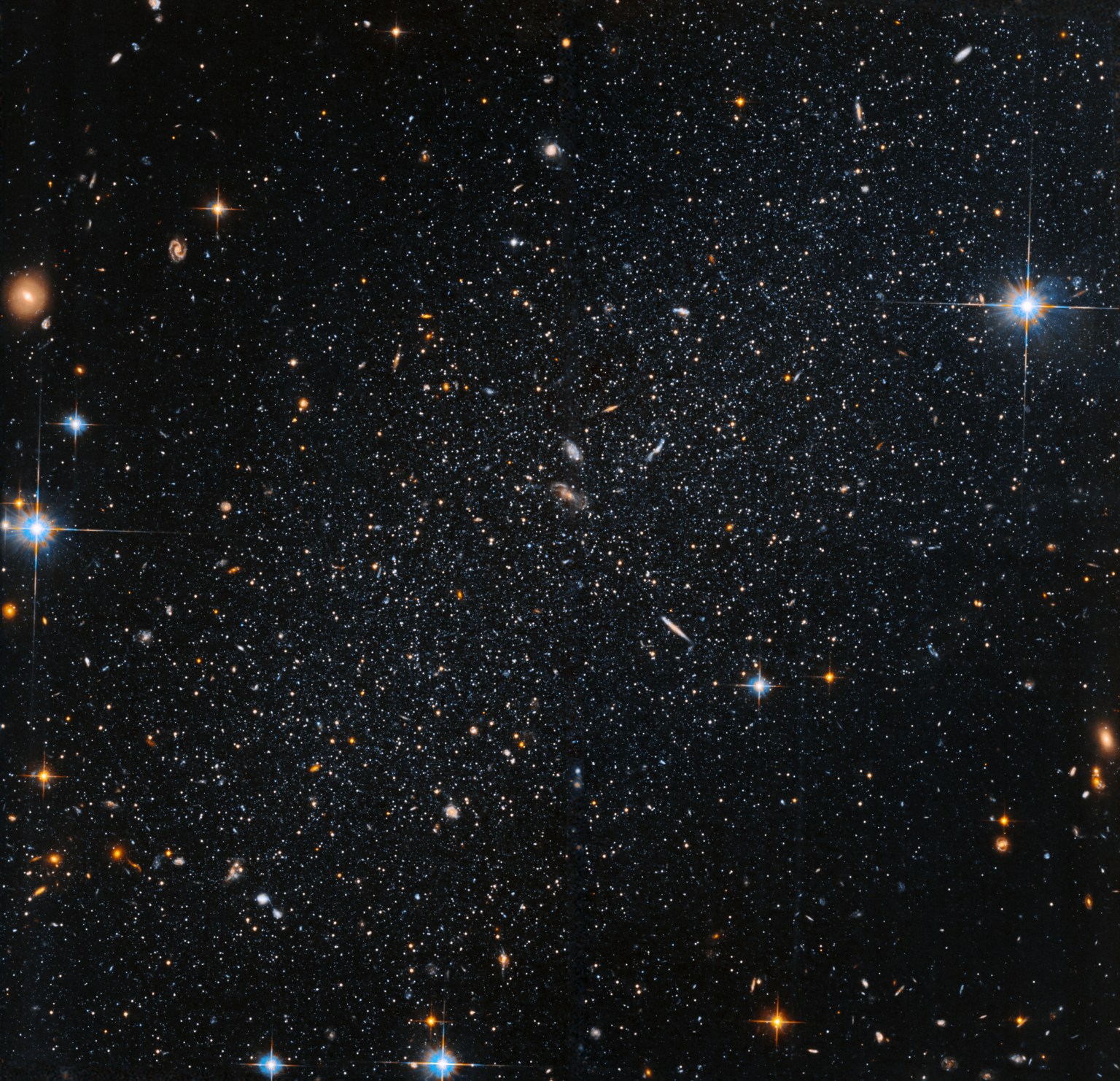
Imaging representing the Andromeda Galaxy Neighborhood
).png)
F. Schubert
A humanist first, passionate about human interactions, AI, Space, Human Life and a DJ. 20 year experienced in Team Management in BBAS3 and also founder of Estudio1514.com. São Paulo, Brazil based.


Summary
Recent article from NASA's Goddard Space Flight Center (2024) highlights intriguing findings about Andromeda III, a dwarf satellite galaxy orbiting the Andromeda galaxy, also known as Messier 31. This discovery expands our understanding of galaxy formation and the behavior of cosmic structures in space.
Andromeda III is classified as one of at least 13 dwarf satellite galaxies surrounding its larger neighbor, Andromeda. It comprises faint, spheroidal clusters of ancient, reddish stars, which present an interesting lack of new star formation. In fact, this galaxy’s age is estimated to be around 3 billion years younger than most globular clusters—densely packed collections of some of the oldest stars in the universe.
The absence of younger stars indicates that Andromeda III may have undergone significant evolutionary changes over time. This leads astronomers to suggest that dwarf spheroidal galaxies like Andromeda III could be remnants of cosmic objects that were altered by gravitational interactions during the formation of larger galaxies’ halos.
The Mystery of the Dwarf Galaxy Arrangement
An especially curious aspect regarding Andromeda III and its sibling galaxies is their orbital arrangement. Studies suggest these dwarf galaxies, including Andromeda III, revolve around the Andromeda galaxy in a flat plane, resembling the way planets orbit the Sun in our solar system. This orderly formation raises questions since prevailing theories of galaxy evolution imply that dwarf galaxies should display random movements throughout the cosmos rather than following such structured patterns.
As these dwarf galaxies gradually lose energy from their orbits, they begin merging into the larger Andromeda galaxy. This process leads to further investigation into how dwarf galaxies interact with and evolve within larger galactic systems.
Possible Explanations for the Orbital Alignment
Two primary hypotheses have emerged in response to this puzzling alignment:
Group Formation: One theory posits that several dwarf galaxies fell into orbit around Andromeda as part of a single group. This suggests that their formation was not isolated but rather interconnected, which might influence future observations of similar celestial bodies.
Galactic Merger Remnants: Another hypothesis proposes that the dwarf galaxies are remnants from the merger of two larger galaxies. If confirmed, this would challenge existing models of galaxy formation and compel scientists to refine their understanding of galactic evolution.
NASA's James Webb Space Telescope is currently conducting research on these potential explanations, aiming to provide clarity on the behaviors and origins of dwarf galaxies. The results could significantly impact the theoretical frameworks guiding astrophysical studies moving forward.
Hubble's Contribution to Galactic Research
NASA’s Hubble Space Telescope captured images of Andromeda III as part of a broader investigation focused on understanding the star formation and chemical enrichment histories of M31's dwarf spheroidal galaxies. By comparing these galaxies' initial episodes of star formation with those of the Milky Way’s satellites, researchers can uncover patterns in galactic evolution.
Hubble’s contributions in this domain are vital, not only for observing distant galaxies but also for providing insights into the fundamental processes shaping stellar development. As observational technologies advance, the implications of these findings carry weight in elucidating the complex interplay between smaller satellite galaxies and their larger counterparts.
FAQs
What is Andromeda III?Andromeda III is a dwarf satellite galaxy orbiting the Andromeda galaxy, characterized by its old, reddish stars and lack of new star formation.
Why is the arrangement of dwarf galaxies around Andromeda unusual?The orderly formation of dwarf galaxies in a flat plane around Andromeda contrasts with existing theories suggesting random movement for such galaxies in the cosmos.
How does Hubble contribute to our understanding of dwarf galaxies?Through advanced imaging and data collection, Hubble reveals historical patterns of star formation and chemical evolution in dwarf galaxies, aiding in the refinement of galactic formation models.
Final Thoughts
The study of Andromeda III and its peculiar orbital behaviors sheds light on the enigmatic nature of dwarf galaxies and their roles in the grand narrative of galaxy formation. With ongoing research propelled by NASA's cutting-edge telescopes, the cosmic puzzle continues to unravel, offering fresh perspectives on the universe we inhabit.